Mining activities have both direct and indirect impacts on land use, water, and biodiversity throughout the life of an operation. Wesdome is committed to responsible environmental stewardship at each stage of our mining life cycle to minimize and mitigate negative impacts, and as such, we promote on-going workforce education and training, proactive risk identification, and build continuous performance improvement into our systems and processes.
Environmental health and integrity is an important aspect to all, but particularly for Indigenous Peoples and local communities, who rely on access to clean air and water, and who may engage in subsistence and cultural land use practices including hunting, fishing, and gathering. We engage regularly with rightsholders and stakeholders to understand their perspectives and interests with respect to the environment, communicate our environmental management approaches and activities, and provide opportunities for input into how we manage identified environmental risks and impacts.
Our approach to environmental management is guided by our Environmental and Sustainability policies. These policies establish frameworks for consistent, accountable practices across our operations and exploration programs. Further detail on our approach is available our website.
In 2025, we reviewed and updated our Environmental and Sustainability policies to better align with the Mining Association of Canada’s (MAC) Towards Sustainable Mining (TSM) program requirements. We also implemented an internal environmental authorization process at both Eagle River and Kiena to allow for better collaboration around environmental risk identification and mitigation. The process is managed by the site environment departments, and is required whenever any work is planned at the site that could result in a physical impact or disturbance.
Spill response and environmental incident response plans, such as the Wildlife Response Procedure at Eagle River, are in place at both sites and our company-wide Incident Investigation and Response Standard promotes consistency in classifying, investigating and reporting of different types of environmental incidents across the Company. Our implementation of the software tool, Enablon, across the Company in 2024 improved incident reporting and further promoted accountability. We are also working to advance an environmental management system across the Company in tandem with our work to align our practices with MAC TSM.
Eagle River recorded three instances of environmental non-compliance during the reporting period, all related to water (for more details see Water Management), while Kiena did not have any instances of environmental non-compliance. To strengthen environmental capacity at both sites, we added two Environmental Advisor positions at Eagle River and one at Kiena in 2025.
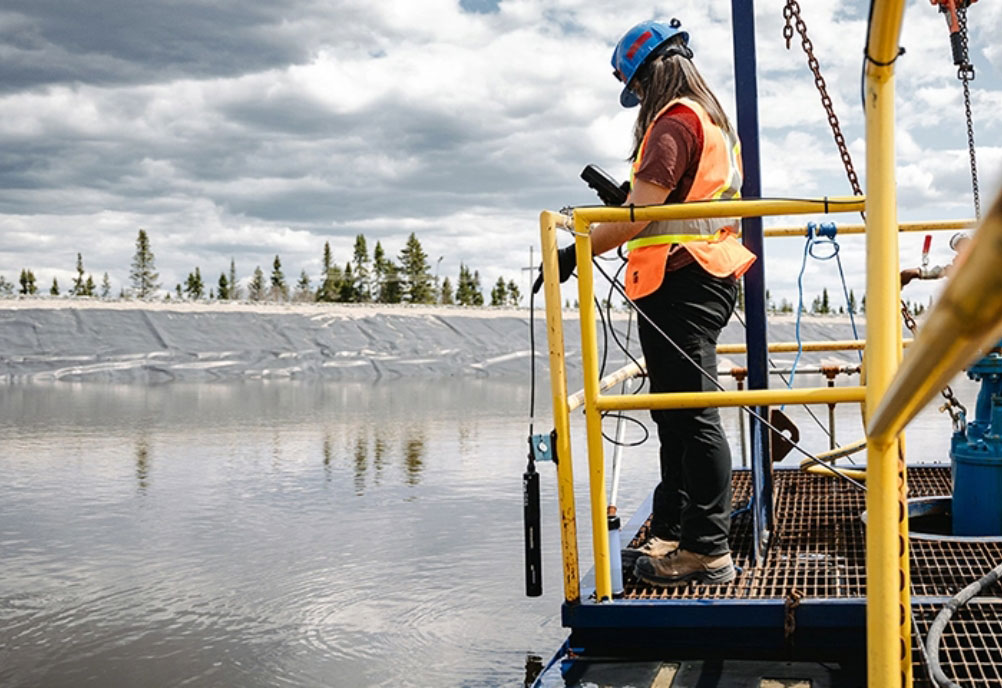

Water Management
Water is a critical component of our mining and processing activities, and we actively manage its use, storage, and treatment to protect the environment and maintain regulatory compliance as water is a shared resource that supports local communities, Indigenous Peoples, and surrounding ecosystems.
Read More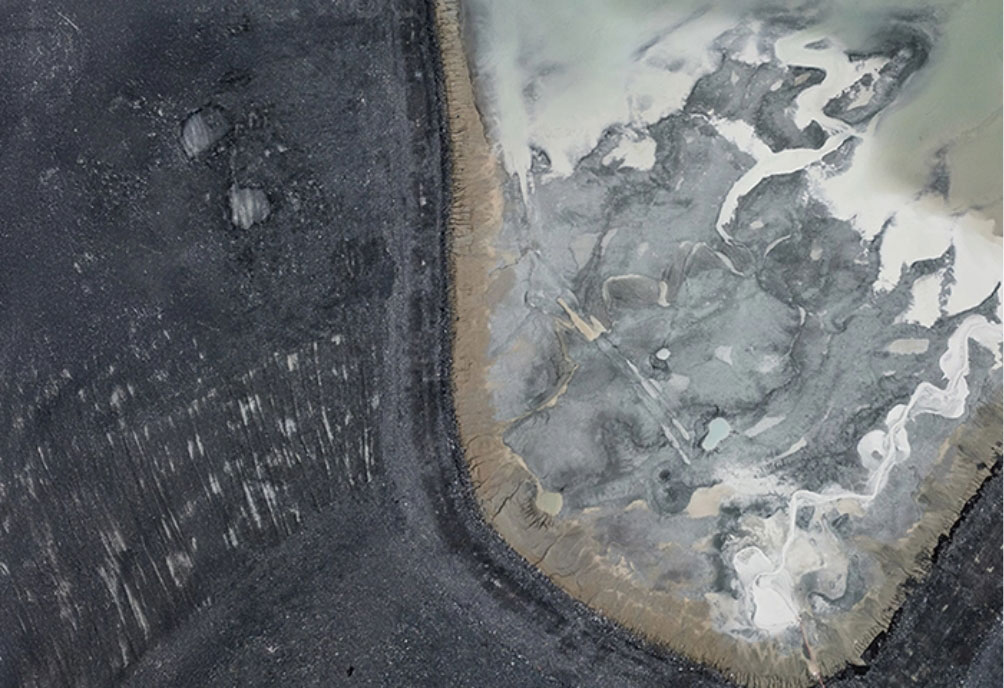

Tailings and Waste Rock Management
Tailings and waste rock are by-products of ore processing and milling activities. At Eagle River and Kiena, tailings generated from ore processing are stored in Tailings Management Areas (TMAs). We have one TMA at each mine site.
Read More

Waste and Hazardous Materials Management
Our operations generate hazardous and non-hazardous waste, including metal, wood, plastics and other materials as part of ore processing, operation of heavy equipment and a large variety of activities that occur as part of our business. We are committed to responsibly managing the waste we produce to minimize potential environmental and human health impacts.
Read More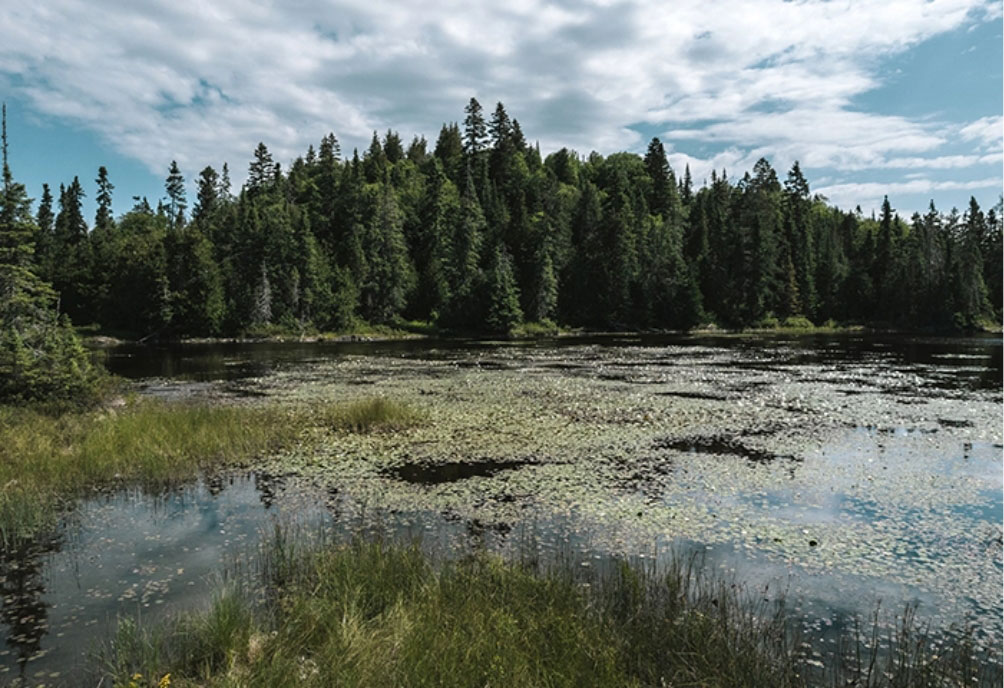

Climate Change, Emissions and Energy Use
Mining operations rely on various energy sources and can be associated with significant carbon emissions. Guided by our Environmental and Sustainability policies, we seek to understand our carbon footprint and to responsibly manage our energy use, while also identifying, adapting to, and mitigating the risks that climate change may pose to our operations.
Read More

Air Quality, Noise and Vibration Management
We recognize that mining can affect nearby communities and our workforce through activities such as drilling, blasting, and hauling, which generate noise, vibration, and air quality impacts. Guided by Wesdome’s Environmental Policy, we seek to understand and minimize those impacts across our operations.
Read More

Land Use, Biodiversity Management and Closure
Wesdome’s operations and exploration activities take place in areas of high biodiversity, and we recognize that our activities, if not managed properly, can have negative impacts on biodiversity and future land use.
Read More